.

Thursday, January 14, 2016

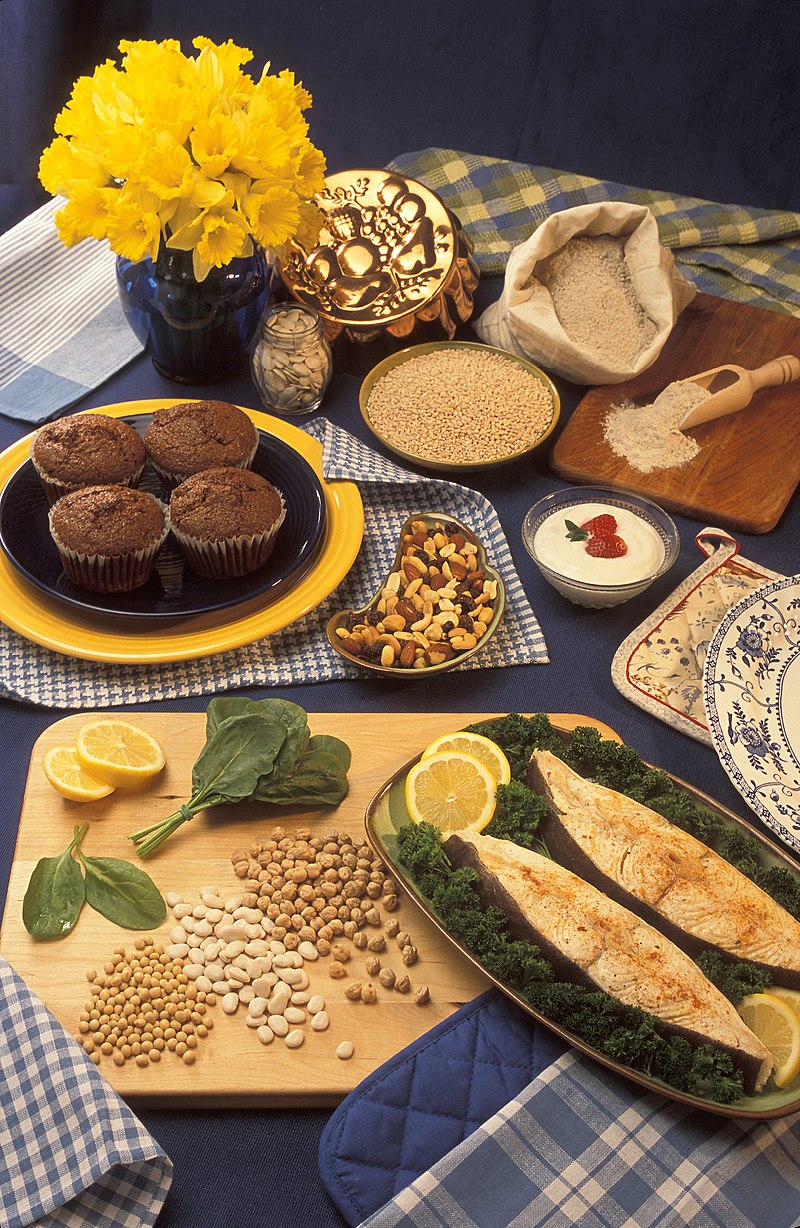
How many calories do you actually need to Survive?


It’s no big secret that food is a crucial part of any preparedness plan. As far as stocking up supplies goes, right after water the thing that should concern you the most is food.
The first piece of advice you usually get is store what you eat, eat what you store, and it really isn’t a bad advice to follow. Granted, if Burger King is what you eat most of the time then you might want to reconsider what constitutes your diet. Still, take a look at what you eat in your household, especially shelf-stable food such as canned and dry goods. Buying extra and building up a few weeks worth is a good start. Eventually you want to build up a supply not just for a few weeks but a few months. So you check rice, beans, pasta, see the cheap price, see the calories and nutritional value and yes, I indeed do recommend stocking up on these three. But the question is: How much do you need? Here’s where I’d like to take a moment and discuss a bit your actual caloric needs.
The FDA (and everyone else it seems) works with a Daily Reference Value of 2000 calories a day. Of course each person is different and has a different ideal daily caloric intake but 2000 is what keeps the average adult healthy and fit. Now, preppers and survivalists tend to let their fantasy run wild and this is no different. Doomsday folk says that… after SHTF, the brave survivor will spend his days fighting raiders, working the land growing crops, wrestling with bears and building log cabins… all day long. They’ll say 2000 calories is what skinny city folk need, not a hardy homesteader. There’s several problems with this misconception. First, its simply not true. Most people that think this way could use to drop some calories themselves. Granted, an elite athlete needs 4000 to 5000 calories, but do you earn a living as a professional athlete? If the answer is no then don’t assume that will change any time soon. Second, not knowing how many calories you really need means you miscalculate how long your supply will last and how much you should spend to put aside the desired amount. If this is also applied to how much you actually end up eating then you’ll start gaining more weight at a time when you want to be as fit as possible.
Even though 2000 calories is the commonly used standard, most people can get by with considerably less. A 1500 calorie diet is considered a safe way of losing weight and staying lean. More extreme diets go for 1200 or less. Keep in mind people are all different. A small frame +50 year old woman may gain weight with 1500 calories, even when staying active.
If a 2000 calorie diet keeps you alive and healthy that doesn’t mean you can’t get by with less. If you reduce it to 1800 for example, you wont starve to death, you’ll just lose weight and stay thinner, and this may not be a bad thing to do. CRON diet (Calorie Restriction with Optimal Nutrition) followers go for 20-30% less calories. A calorie restricted diet with optimal nutrition actually keeps you healthier and even slows down aging, extending life. Bodies are different, so are lifestyles and caloric demands, but having said that we are all more alike than we like to admit. If 2000 calories per adult is an accepted average standard, the truth is that most people can go for years with less. If for example you store 2000 calories per person and all of a sudden you need to extend that, there’s a good chance that you can consume 1500 calories per day and extend your supply 25% without starving to death.
Take all of this into account when planning how many calories you really need to stock up and how you plan on using them.
FerFAL
Fernando “FerFAL” Aguirre is the author of “The Modern Survival Manual: Surviving the Economic Collapse” and “Bugging Out and Relocating: When Staying is not an Option”.

Monday, January 11, 2016

Why you ALWAYS shoot to Kill


Friday, January 8, 2016

Visit to Spain: Better than Expected


Hi Fernando,
My two older kids mid 20s spent 2 weeks in Spain in December.
Their report was so positive. They saw so few homeless people and they loved Spain.
Why does Spain have so few homeless?
The only reason I think is that the States have so many Veterans who have PTSD and other conditions from "endless" war
What do you think?
Mary
ps they loved Spain!
..
Hello Mary, I’m glad to hear they had a good time over here.
Spain still has a long way to recover since the economic crisis and is currently struggling with a political one.
Having said that there’s also a few things to keep in mind when looking into Spain.
First, the economy is not as bad as it once (recently) was. Unemployment is still high, but walking down the streets you do find people hiring and when talking with folks the word is that there’s a bit more work. Some of those scary 20% or 25% unemployment figures don’t really account for those that WANT to be unemployed because they get paid the “paro” which is about 80% of their previous salary without having to actually work. The abuse of this safety net bleeds the country and its estimated that at the very least half of the unemployment is from people in this situation. The “paro” and other social care structures are the reason why you don’t really see that much people living on the streets in spite of the crisis, at least not as much as you’d expect.
Spain has a struggling economy but then again it has certain key advantages as well, which is why a lot of people including myself consider it a good place to live in. First, its without a doubt and by any given standard one of the safest places to live in. Sure you have “bad” parts of town in some cities but in average it’s just very safe.
Another key aspect of Spain is its world class medical care, both private and public. I’ve always paid for private medical because I consider it an essential aspect of quality of life, but even public medical care which everyone can get treatment in is among the best in the world. This means that people with drug abuse problems or mental problems aren’t just left wandering the streets but actually get taken care of. This kind of topic usually provokes a knee jerk reaction about socialists and commies, but I believe health and education are fundamental life aspects that say a lot about a country. In UK for example, public medical care is also free but it borders on negligence. People with suspicious lumps are told to wait it out, only to be told a year later that its too late to do anything about it so just wait until you die. This may seem like an exaggeration but there’s actually thousands of such cases. Spain has much better medical care, both public and private and that gives you so much more peace of mind.
Spaniards have somewhat of a laid back reputation, thinking more about fiesta than working, borderline lazy. In reality is just a different mentality that takes a bit of getting used to. At first I felt like punching people in their faces when they took forever to get things done even for simple tasks. Eventually you understand that things aren’t as rushed here. A way of putting it would be that people here work to live rather than live to work and maybe that’s healthier than always being stressed, rushing and wanting everything done right that minute. This way of life combined with great weather, food and tourist locations its understandable that people enjoy their visits here.
I’m glad your kids had a good time in Spain!
FerFAL
Fernando “FerFAL” Aguirre is the author of “The Modern Survival Manual: Surviving the Economic Collapse” and “Bugging Out and Relocating: When Staying is not an Option”.

Wednesday, January 6, 2016

Why you need not one but Two safes


Some of the advice I have to give based on my experience in Argentina after the economic collapse may not be as useful for everyone. Most Americans simply don’t have to deal with that level of crime and violence, let alone on daily basis in their local towns and cities. The thing is, as the world “keeps moving”, like Stephen King once wrote, a lot of that advice becomes increasingly relevant.
In my book “The Modern Survival Manual: Surviving the Economic Collapse”, I explained that you want not one but two safes in your home. One of them more visible, maybe were you keep decoys or less valuable items, and a second well-hidden one were you keep most of your cash, precious metals and other valuable items. The reason for this advice is twofold.
First, if someone breaks into your house and they find the safe, they will assume this is where you keep your valuable items and focus on that safe. Rarely will they bother looking for a second safe and even if they do it should be very hard for them to find. This reduces significantly the chances of getting that second safe broken into.
Second, and this is one of those hard-earned lessons for many in Argentina, if someone breaks into your house and manages to put a gun to your love one’s head, you will tell them where the safe is and you will open it for them. In this case, you better have some believable decoys in that safe so that they feel content with it. With a bit of luck they will be happy with that and consider it a good day’s “work”.
Well, it turns out that having such a second safe has proven to be very valuable for this forum member over at survivalistboards where home intruders that broke into his house when he was away failed to find that hidden safe and therefore managed to save its content.
FerFAL
Fernando “FerFAL” Aguirre is the author of “The Modern Survival Manual: Surviving the Economic Collapse” and “Bugging Out and Relocating: When Staying is not an Option”.

Monday, January 4, 2016

Post-SHTF Business: Renting Generators

En la puerta de un pequeño negocio. Recomiendan evaluar el costo-beneficio. (Emiliana Miguelez)
http://www.clarin.com/ciudades/Equipo-hogar-puede-costar-entre-_3-400-_20-000_0_1288071211.html
Argentina always had problems with power outages. Back when I was a little kid it was something that happened pretty often, especially in summer when power demand increased. Back then we had a drawer in the kitchen that was stacked with candles. Now, its not that I’m THAT old, it’s just that LED technology is still pretty new. It just wasn’t practical to use incandescent lightbulb flashlights for illumination. They went through batteries in a matter of minutes and it wasn’t really that bright anyway. Instead you would get a candle or two, get one of the old candle holders kept around the house, or if you couldn’t find one just lit a candle, drop a couple drops of wax on a small plate, place the candle on top and be careful not to drop it and burn down the house. So you did that, waited a few minutes, sometimes a couple hours until power was restored.

The thing is that as I’ve said many times, Argentina post 2001 is the same story, only worse. You still have power outages, but after 14 years of structural neglect from the government and power companies outages tend to last days, not just hours. This may be expected in more isolated locations, but in a large city like Buenos Aires where millions live it can be challenging.
It used to be that with power outages that lasted a few hours a generator was a “nice to have” item, but with those lasting days not having a generator means some people can’t leave their homes any more. You can’t ask someone with a disability or +80 years to walk back and forth to their 6th floor apartment. Water needs to be pumped up, so no power means no water for many as well. For many stores, no power means their merchandise goes bad and they can’t stay in business without working refrigerators.
Buying a new generator in Argentina right now isn’t cheap, expect to pay between two or five times more than the price for that same unit in USA. Then you have to worry about repairing the generator, maintenance, making sure it doesn’t get stolen, storing it, etc. Because of this, renting generators has become a popular choice, especially for business, stores and buildings who need larger units. The prices are all over the place, from 50 dollars a day (for a genny that costs 400 USD in America) to 600 USD a day for some of the bigger 200kva units such as the ones large stores and buildings need to operate pumps and elevators, fuel not included.

Just something to keep in mind. In certain climates and certain locations, having a generator is pretty much mandatory, one of those facts of life. But also keep in mind that it may be a significant asset in certain scenarios, everywhere from powering your neighbours in exchange of other goods and services or simply renting it out for cash. In this case getting bigger, reliable generator makes sense.
FerFAL
Fernando “FerFAL” Aguirre is the author of “The Modern Survival Manual: Surviving the Economic Collapse” and “Bugging Out and Relocating: When Staying is not an Option”.