
 Posts


.

Showing posts with label money. Show all posts
Showing posts with label money. Show all posts
Wednesday, June 17, 2020


Monday, May 13, 2019
Sweden tells its Citizens to stock up Cash

Cash is indeed King
The concern is that in a society that is steadily going cashless, a cyber attack would leave Swedes vulnerable, unable to buy basic supplies or get by during a period of time until things gets sorted out.
It does make perfect senses and this concern Sweden authorities have is one of the reason why a cash stash has been recommended here time and again over the years. In a society were a growing number of people aren’t using cash at all, it is understandable to make such warnings and its worth repeating yet again: Cash is king and make sure to always have some at hand. Start with a small fund and try to build up to a month worth of expenses.
Remember to get a proper safe for your valuables, not just cash but jewellery, precious metals and important documents. A small safe like this Digital Safe goes for under 40 bucks. At the very least, get one like this if you dont have a safe already.

Better yet, get a proper Gun Cabinet Safe so as to keep your firearms in as well. These wont break the bank and will make the difference if someone breaks into your place.
FerFAL
Fernando “FerFAL” Aguirre is the author of “The Modern Survival Manual: Surviving the Economic Collapse” and “Bugging Out and Relocating: When Staying is not an Option”
Monday, January 14, 2019
Reply: How much cash for emergencies? Denominations?
Anonymous said...Have made it through some serious hurricanes and floods the last 25 years in South Louisiana, and the one thing I've learned was not only to keep cash where I could get to it, along with keeping as much of it as possible in small bills. Because the prices tend to go crazy after a weather event here, no one has change, or wants to give it to you. Also because soon as the electricity goes out, there are no working ATM machines for cash. We were 75 miles from New Orleans for Katrina and didn't have almost any rain at all, but we had strong winds that took down hundreds of trees, so there was no electricity for weeks. Which means no banks were open and no ATM's were working, nor gas station machines. Hurricane Gustave was much worse for us, as was the more recent flood of 2016. We lost the electricity after Gustave for 9 months at my place, although some neighborhoods came back at 6-8 weeks. It was 95 degrees F. during this time. The state estimated one million trees were lost in this area. Credit cards are not useful in these situations until after the events when there is substantial infrastructural improvements and repairs. And lastly, no cell towers means almost no communication (wind).
Anonymous said...You must have small denominations, because no one will give you change. This from 25 yrs. of hurricanes in South Louisiana. No electric means no banks, no ATMS, no credit cards can be used.
J said...Seems to me that smaller denominations would be more flexible. I don't want to have to fork over a hundred bucks for a $25 item that I need. A thousand dollars in twenties might not be good for a wallet, but it doesn't take up that much space in a larger bag or in the safe.
….
Thanks guys
for all the thoughtful input. Its true, in hurricane country you will come
across the “got no change” types. Keep in mind some of these people may be
trying to take advantage of the situation and pocket the change themselves. If
they are taking “cash only” then by definition they have been taking cash and have
a pile of smaller denomination bills. This is pretty common in Argentina where
cash is predominant for daily transactions. Usually it’s the taxi drivers that
try to pull the “Ive got no change” thing so that you round it up in their
favour.
Still,
great point. Doesn’t hurt to have more small denomination bills.
One little
tip I do that has already come in handy a couple times: I keep the ashtray cup thing
in my car full of coins, about 20 or 30 bucks worth of it. This always comes in handy. I also placed a
couple 50 bills in there, lined on the inside of the cup covered by the coins.
Its not visible unless you dig around in there. I already found myself grabbing
a bill and avoiding having to drop by the ATM.
FerFAL
Fernando “FerFAL” Aguirre is the author of “The Modern Survival Manual: Surviving the Economic Collapse” and “Bugging Out and Relocating: When Staying is not an Option”
Tuesday, January 8, 2019
How much cash for emergencies? Denominations?

Ferfal,
Hope all is well. When putting cash back for bad times is there a percentage or mix of denominations that works best? I am sure anything is better than nothing but is it better to have a large sum in big bills back, or a mix? I would imagine if inflation hits smaller denominations are worthless?
Thanks
A-
Hello A-
Thank you for your email.
Cash is one of those things you just don’t see people talking about that much in our community. Sure, someone mentions having a few 10s or 20s, maybe a few coins for machines and such but rarely much more than that.
Over the years, whenever cash was brought up, I get a few standard replies.
“Cash? That becomes paper after SHTF, look at Weimar republic”
Yes… kind of. Weimar was a very specific case and even if something that bad happens cash won’t lose its value overnight. I’ve seen my cash lose about 60% of its value in a matter of days… cash was STILL valuable, especially if you had either the green or European kind.
“I don’t focus on cash, I’m all about the skills, hunting and growing food. I wouldn’t change a single chicken for a bar of gold or a million bucks… cuz I cant eat gold or cash”
Ok.. first, that’s stupid. Even if you don’t care about cash or gold, a bar of the stuff of any size is a lot of money that you can easily sell/trade so it would idiotic not to take advantage of such an opportunity. Second, its not about you. Even if you don’t want to trade a pound of rice for a pound of gold (or cash), there’s millions of people out there that will, and that’s what really matters, the so called market for said product.
So yes cash is important, clearly one of the most useful tools during real world emergencies and you want to have a good bit of it at hand. A month worth of expenses is a good start.
As for denominations, it depends on where you keep said cash. In my car I keep the ashtray/cup thing ( I don’t smoke) with about 30 bucks in coins. I pick change from there all the time and throw it back in when given to me. In my wallet I keep maybe a couple 10s, a couple 20s and then about 300-400 in 50’s for emergencies. How much emergency cash to keep on you at all times? Depends on your situation. I would suggest enough for a couple nights in a hotel if needed, enough for a few bus/train/plane tickets somewhere safe.
In a pack you may want to have 100 bucks in 10 or 20, but any more cash you may go with 50s or 100s because it probably means you’re buying something more expensive, maybe getting a room, renting a car, buying a ticket for traveling and so on.
As for the cash you keep at home for emergencies 100s bills are fine. Some change makes sense but I don’t see the point in having two thousand bucks in 10s just in case you need that much change. Don’t forget also about precious metals, silver and gold!
Best of luck!
FerFAL
Fernando “FerFAL” Aguirre is the author of “The Modern Survival Manual: Surviving the Economic Collapse” and “Bugging Out and Relocating: When Staying is not an Option”
Wednesday, November 21, 2018
7 tips for Securing a Cash Stash at Home
Hey Ferfal,
In your first book you made it clear 'Cash is King.'
But I would like your ideas on where to hide/stash that cash (i.e.; hidden money belt, certain areas of the home, etc)?
Also how many different stashes should I have? I just had a neighbour steal my jar of cash from my very rural back yard. I'm still sick about it.
-R
.
Hello R,
Thanks for your email.
A jar full of money just sitting there would not be my first suggestion. :-) As you just experienced, crime happens everywhere, including otherwise safe, rural communities. And sometimes it’s the people around us that commit these crimes, people we may even know.
The typical burglar lives within a 2 mile radius of his target This is average. The distance may be greater in rural areas of course, but the point still is, its people around your area, probably people you know. But back to your question.
A few tips:
1) You know your own house better than anyone, after looking around and giving it some thought you can probably think of a little corner or hidden space somewhere where anyone not familiar with your house would have a hard time figuring out. That’s where you want to hide it.
2) Make sure you REMEMBER where you hid it. Better yet, tell your wife/kids. My parents hid some of the nicer jewellery my mom had before a trip. When they came back they though it was so well hidden they might just leave it there for safe keeping… a few years later they FORGOT where they hid it and no matter how much they looked they never recovered it. This kind of thing happening in extremely common.
3) Hide it in a sealed bag so as to protect it against humidity and bugs. I wouldn’t hide it where rats can get to it but if you do you want a metal container besides the bag.
4) Find a place that is somewhat easy to access while being well hidden. Putting money inside an interior hollow wall may be very well hidden, but impossible to check on it or access the money in a convenient manner. For example, a hollow door on the other hand could have a piece of wood that is removed on the hinge side when opened to access the money. Pretty well hidden yet convenient to access.
5) I would have at least two stashes. Start with a big gun safe, heavy and bolted. You need one anyway for your firearms (if you don’t have one, you should). Getting your guns stolen is no joke and happens all the time. Keep in mind that in average, burglars spend less than 10 minutes in a house, so a safe is a good idea. A good safe can about the same as a handgun or as much as a good rifle (fire, EMP proof). Whatever your budget is you should have one (or 3, like I do) Makes no sense to have thousands in guns and not put a few hundred into securing them.

New and Improved E.M.P Proof Steelwater Extreme Duty 22 Long Gun Fire Protection for 120 Minutes
6) Combine the safe with a home alarm system and security camera. The security camera works with a cellphone app and the motion detector lets you know if someone broke in. These Cameras are cheap, cost 25 bucks and are the best value you'll ever get in security.

7)You could keep a second cash stash in a small, well-hidden safe. If you live in a dangerous area where you are likely to be held at gunpoint during a break in, It wouldn’t hurt to have one of these store bought cheap safes as a decoy. You could keep some fake precious metals, fantasy jewellery. Hope that helps!
FerFAL
Fernando “FerFAL” Aguirre is the author of “The Modern Survival Manual: Surviving the Economic Collapse” and “Bugging Out and Relocating: When Staying is not an Option”
In your first book you made it clear 'Cash is King.'
But I would like your ideas on where to hide/stash that cash (i.e.; hidden money belt, certain areas of the home, etc)?
Also how many different stashes should I have? I just had a neighbour steal my jar of cash from my very rural back yard. I'm still sick about it.
-R
.
Hello R,
Thanks for your email.
A jar full of money just sitting there would not be my first suggestion. :-) As you just experienced, crime happens everywhere, including otherwise safe, rural communities. And sometimes it’s the people around us that commit these crimes, people we may even know.
The typical burglar lives within a 2 mile radius of his target This is average. The distance may be greater in rural areas of course, but the point still is, its people around your area, probably people you know. But back to your question.
A few tips:
1) You know your own house better than anyone, after looking around and giving it some thought you can probably think of a little corner or hidden space somewhere where anyone not familiar with your house would have a hard time figuring out. That’s where you want to hide it.
2) Make sure you REMEMBER where you hid it. Better yet, tell your wife/kids. My parents hid some of the nicer jewellery my mom had before a trip. When they came back they though it was so well hidden they might just leave it there for safe keeping… a few years later they FORGOT where they hid it and no matter how much they looked they never recovered it. This kind of thing happening in extremely common.
3) Hide it in a sealed bag so as to protect it against humidity and bugs. I wouldn’t hide it where rats can get to it but if you do you want a metal container besides the bag.
4) Find a place that is somewhat easy to access while being well hidden. Putting money inside an interior hollow wall may be very well hidden, but impossible to check on it or access the money in a convenient manner. For example, a hollow door on the other hand could have a piece of wood that is removed on the hinge side when opened to access the money. Pretty well hidden yet convenient to access.
5) I would have at least two stashes. Start with a big gun safe, heavy and bolted. You need one anyway for your firearms (if you don’t have one, you should). Getting your guns stolen is no joke and happens all the time. Keep in mind that in average, burglars spend less than 10 minutes in a house, so a safe is a good idea. A good safe can about the same as a handgun or as much as a good rifle (fire, EMP proof). Whatever your budget is you should have one (or 3, like I do) Makes no sense to have thousands in guns and not put a few hundred into securing them.
New and Improved E.M.P Proof Steelwater Extreme Duty 22 Long Gun Fire Protection for 120 Minutes
6) Combine the safe with a home alarm system and security camera. The security camera works with a cellphone app and the motion detector lets you know if someone broke in. These Cameras are cheap, cost 25 bucks and are the best value you'll ever get in security.
FerFAL
Fernando “FerFAL” Aguirre is the author of “The Modern Survival Manual: Surviving the Economic Collapse” and “Bugging Out and Relocating: When Staying is not an Option”
Thursday, December 14, 2017
How to keep your Bitcoin safe

Keep in mind what we’re doing here though. Keeping eggs in different baskets right? Crypto currency is a VERY attractive basket thought and if it ever reaches just a percentage of its true potential…
Anyway, if you bought some coin I’m sure you’re a happy camper and that’s fine but just like you keep your gold and cash in a safe, just don’t leave your money sitting there in an online account. It’s not safe, and if something happens to the company, lets say Coinbase goes under or gets hacked, you may lose your Bitcoin. I know that with reputable companies this is unlikely, but it has happened before and all experts agree on not being a good idea to leave large savings just sitting there.
What do to then?
You have a few options. The idea is to have a cold wallet for the bulk of your coin. Cold storage means storage that is offline and therefore impossible to hack. You can create a paper wallet, with extreme precautions to reduce the chances of hacking such as going off line and using a live OS in a fresh USB drive, print with an offline, wired printer.
What most experts agree on being the best way to store Bitcoin and other cryptocurrencies is using a Hardware wallet. These are devices similar to a USB drive, with its own screen an pin number which even in a computer infected with malware (like may are these days) it would be save to use.
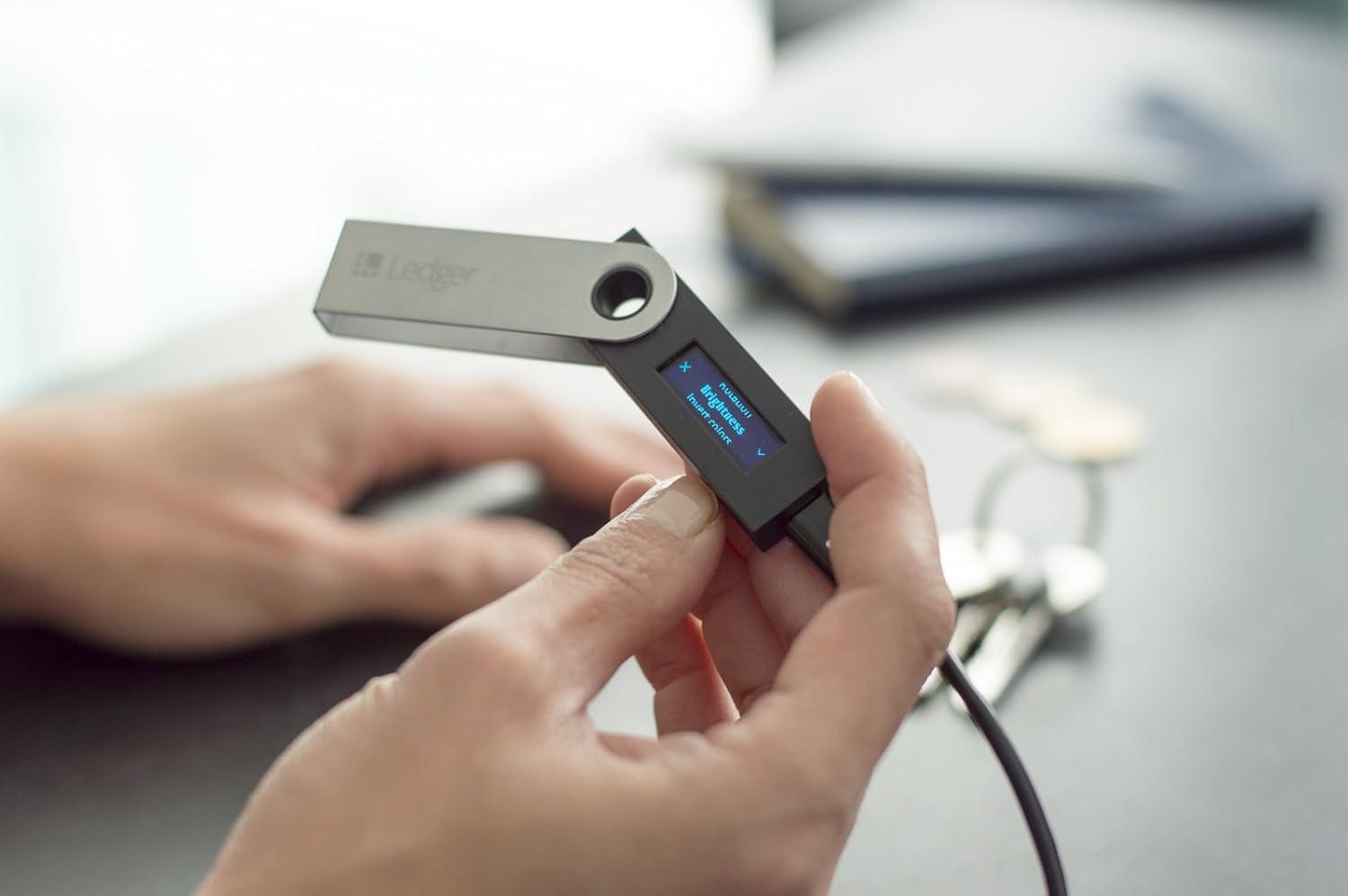
I recommend these two, which are considered the best, the Ledger Nano S and Trezor.
Using it is easy enough following a few simple steps. Make sure you keep the recovery code VERY well protected (you write this down in paper), a couple copies in different safes. This would allow you to recover your money if the device is stolen, lost or destroyed.
FerFAL
Fernando “FerFAL” Aguirre is the author of “The Modern Survival Manual: Surviving the Economic Collapse” and “Bugging Out and Relocating: When Staying is not an Option”
Tuesday, November 14, 2017
More questions about Bitcoin

Message:
Hello, Fernando. I was wondering more & more about Bitcoin, but I can't find too much clear information about it- everything starts in the middle & doesn't seem too concerned about telling you how not to get snagged-up with it (ex: looking like a drug dealer or a money launderer). Would you people tell me some more about it? I would hate to miss a good investment, but I don't even get how it IS an investment- it doesn't seem like there's any company that distributes it, so how can there be any stock? And why not just make your own?
A-
Hello A,
Again, I’m no Bitcoin expert by any stretch of the imagination but I’ll try to answer some of your questions.
Bitcoin is a currency, a virtual one at that but some Bitcoin does not make you a drug dealer any more than having a roll of 20s in your pocket makes you one. Don’t let the mainstream media agenda intended to stigmatize Bitcoin get to you. In any case, ALL large financial groups are into Bitcoin at this point, so don’t feel bad about doing it yourself.
Second, it is not an investment. Investments generate profit. Buying Bitcoin will only get you… Bitcoin. Like gold, it can go up or down and you selling at the right time may leave you with a profit but it’s a currency, not an investment.
Finally, you CAN make your own. You can mine Bitcoin with your computer. The problem is that by its own nature Bitcoin is HARD to mine, meaning you need a lot of computer power to mine it so that its profitable and compensates the electric power you are using to generate it. People used to buy mining computers to mine Bitcoin and many still do. How profitable it is today is hard to say. All I know is that you need some initial investment for the mining computers and electric power better be rather affordable where you are.
As I said before, I think Bitcoin is extremely interesting but it’s not on the same line as gold and silver, which have been around for thousands of years. Can it be the gold of the future generation? Maybe, but don’t put into it anything you can’t afford to lose. That would be my advice.
As for buying Bitcoins, I suggest you do a lot of google and reading first. Chances are you’ll end up in Coinbase or maybe Localbitcoins. No, I don’t have any association of any kind with either one, they are just some of the most common names that pop up.
Good luck!
FerFAL
Fernando “FerFAL” Aguirre is the author of “The Modern Survival Manual: Surviving the Economic Collapse” and “Bugging Out and Relocating: When Staying is not an Option”
Tuesday, November 7, 2017
Where to buy Bitcoin?
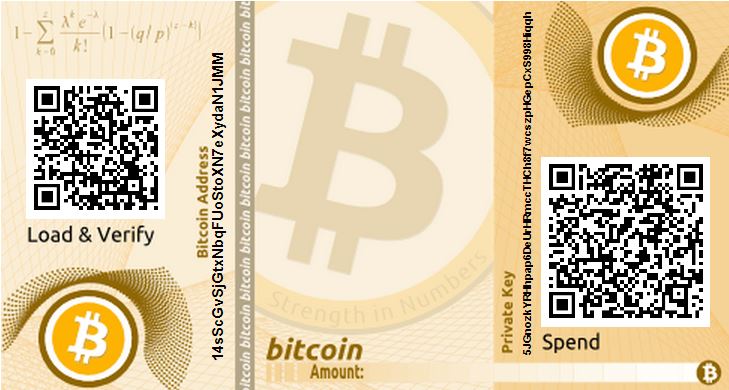
Ferfal,.
I just saw your bitcoin article and have been looking into it. Can you explain who exactly you use to set this up/the easiest process as it seems to be sort of complicated for the average guy. I assume I open an account with a bitcoin broker, link a normal bank account, buy bitcoin, and hold in their "wallet". Is there a company you use/recommend?
A-
Let me say this first, I’m no Bitcoin expert.
I understand enough to believe it has potential, maybe even great potential, but please by all means do a lot of research and make up your own opinion. Wikipedia is actually a good place to start. Google it and read up some of the many good articles out there about Bitcoin and Cryptocurrencies in general.
Long story short for those looking for a straight answer would be that after looking up and checking safe places to buy, in general they will point towards Coinbase as one of the most reputable places to buy and keep an account in. Again, I’m no expert. I’m not affiliated in any way to that site and it’s not the only place for buying Bitcoin. Remember, only spend what you can afford to lose.
Good luck!
FerFAL
Fernando “FerFAL” Aguirre is the author of “The Modern Survival Manual: Surviving the Economic Collapse” and “Bugging Out and Relocating: When Staying is not an Option”
Friday, November 3, 2017
Survival Finances: So, did you buy Bitcoin when I told you to do so?

No? That’s ok. There’s still time.
I try to be very careful with my advice. You don’t see me telling people to run for the hills (or relocate to areas where a real estate broker friend of mine will sell you property and giving me a cut) When I firmly recommend a product, it’s because I truly believe it’s worth it.
Now from a practical survival perspective, Bitcoin is a powerful tool. Not in theory, not in the future. Today, bitcoin is used in places like Venezuela, where the entire society has basically collapsed into a nightmare of inflation, crime and corruption, ran by a dictator. If in that environment people find Bitcoin useful, then its empirical information, not theory.
I like empirical. Its not supposing, guesses or assumptions, it’s observation of facts.
A few weeks ago I did that thing I rarely do and gave actual financial advice by saying “some precious metals, investing in reliable stocks, investing in good real estate. And yes, putting some money in Bitcoin.” If you did put a few bucks in that Bitcoin basket back then, Bitcoin was around $3.400… Today its worth $7.300.
As I said back then. Bitcoin is just one more tool to work with, but it may well be a game changing tool if it fulfils its prophecy as the global currency of the internet era. If it becomes that, if it becomes the gold of the digital era then the sky is the limit.
Or not. Don’t spend (like Gold, Bitcoin isnt an investment) more than you can afford to lose.
I like to see Bitcoin going up but to be honest I’m betting on it for the long run. Some people sold thinking that it peaked at $1000, then at $2000, Then $3000 and so on. Like precious metals, but it and store it for that rainy day.
My advice remains. When funds allow it, buy a bit of precious metal here and there, same for some actual cash for a rainy day because cash is still king, and also put some in Bitcoin every now and then.
Enjoy the weekend folks.
FerFAL
Fernando “FerFAL” Aguirre is the author of “The Modern Survival Manual: Surviving the Economic Collapse” and “Bugging Out and Relocating: When Staying is not an Option”
Monday, September 5, 2016
The Men who Crashed the World
Folks, you probably saw this video before but if not its highly recommended.
Pay particular attention to minute 12 of the video, explaining the competition between NY and London. This actually explains well, years before it actually went down, why Brexit took place: So that the “city” can escape the EU regulators.
Also, on minute 27:20. I find it interesting how events played out in relation to Europe-USA: It wasn’t that Europe went down because USA did, Europe was actually the canary in the mine. I believe that to be true today as well.
Make time to watch this other clip too.
Its very informative, explains the scam that is the current economic system. Its fun too. Maybe something teenagers would watch while learning very important information regarding how the world works.
FerFAL
Fernando “FerFAL” Aguirre is the author of “The Modern Survival Manual: Surviving the Economic Collapse” and “Bugging Out and Relocating: When Staying is not an Option”.
Thursday, July 28, 2016
Surviving Your Dentist and Bitcoin

Hello
1 I am a retired lawyer - for 30 years I defended dentists in malpractice suits. I can tell you with some authority...you are exactly correct!!
Many years ago I started going to see other dentists every time one told me I had a cavity. I'd go to another dentist, never mention I'd already been to see one, & the 2nd one would never mention a cavity.
I also learned to never say I was having tooth pain (they are taught to ask). Just say "no problems" & see if they can find it.
Obviously, there are exceptions, but...
2 As for why we have such an inefficient medical system, Milton Friedman accurately described it back in the 1970's. The problem is too much money. Government programs pump billions in to medical schools & they have to spend it. This is why we have studies on pregnant pigs, studies on insects, conflicting studies on the most minute aspect of everything. They have to spend that money. Way too much supply for the demand. So medical folks create more demand!
3 I'm enjoying your book on the Argentina Collapse. Very good! Thanks for writing it.
Do you have an opinion on Bitcoin in preparation for an economic collapse? I don't see it on your site..
Thanks!
Jack
.
Thanks Jack for sharing your experience. I’m glad you’re enjoying my book too.
I agree about this being a money problem (seems its always the issue). They just have to milk money out of the sheep any way they can.
About bitcoin. I may have talked about it before but I’m no expert. Some of the most evil people in the planet seem to hate bitcoin so that makes me like it already. It may be a huge thing in the future, and today it does have a place for sure. It’s hard to understand what digital money actually is. I know it took me enough time, but once you understand why it’s “mined” and why that is important you understand it a bit better. I think its another tool in the tool box. I think of it as a digital version of gold, with some advantages over it and obviously some disadvantages, the greatest one clearly being the lack of time proven acceptance over thousands of years like precious metals. In a diversified portfolio I think it does have a place and I understand why people are excited about it although I try to be cautious.
Regards,
FerFAL
Fernando “FerFAL” Aguirre is the author of “The Modern Survival Manual: Surviving the Economic Collapse” and “Bugging Out and Relocating: When Staying is not an Option”.
Thursday, May 19, 2016
Shrinking U.S. middle class: 47% of Americans don’t have $400 for Emergencies
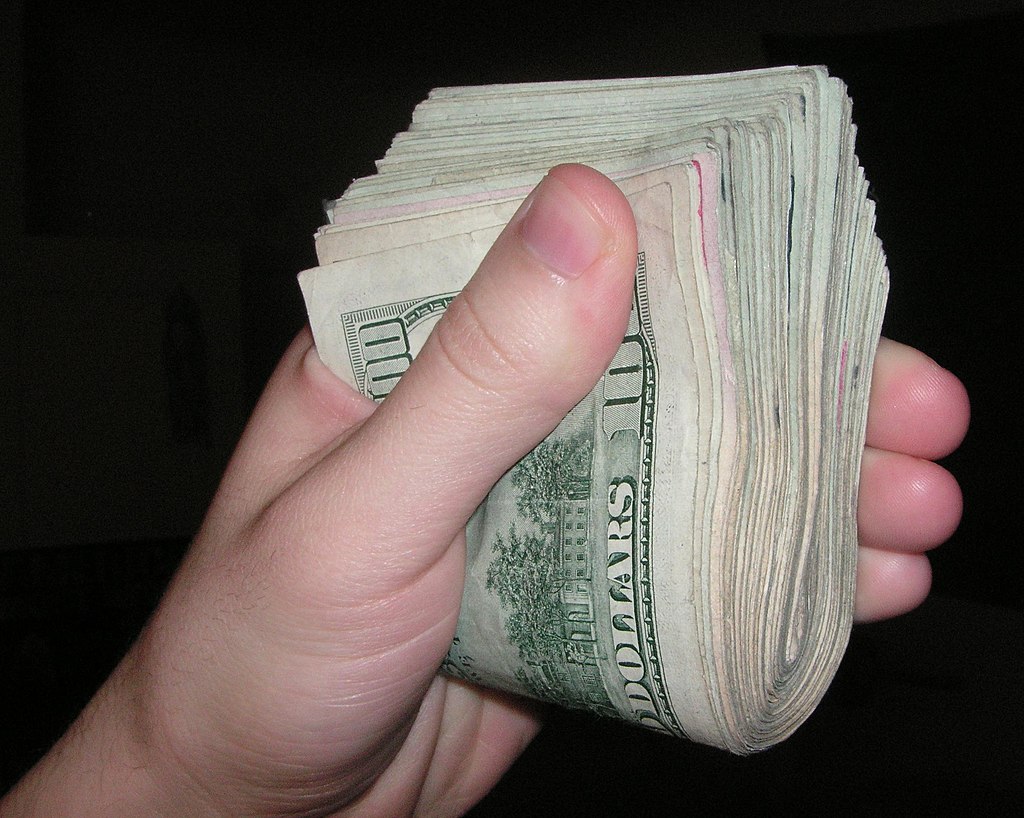
The title says it all. A recent pool by The Federal Reserve Board shows that 47% of Americans would struggle to come up with $400 to deal with emergencies. The article is well worth reading.
The Secret Shame of Middle-Class Americans
The (misguided) idea is that higher education should come along with massive debt. If we add to that a mortgage and car payments most Americans simply accept the fact of living in debt most of their adult lives. If we throw in unexpected job/career difficulties or serious diseases, this means most Americans struggle with keeping themselves from going bankrupt if not literally dying.
Lesson of the day: Cash is king, even for economic collapses you want a cash cushion. Economic disasters teach us that in nearly all cases cash does not lose value overnight, especially not stable well recognized currencies. You should aim to have at least a month worth of expenses in cash.
If banks close and ATMs run out of money, how much cash do you have at hand?
FerFAL
Fernando “FerFAL” Aguirre is the author of “The Modern Survival Manual: Surviving the Economic Collapse” and “Bugging Out and Relocating: When Staying is not an Option”.
Tuesday, April 19, 2016
Gold, Rolex and Cash after SHTF

Hi
I read the portion of your site devoted to the Rolex watch and the supposed value of the watch.
For the last so many decades I have been dealing in vintage watches.
Couple of points. It’s a ladies watch and ladies watches are much less in demand on the resale market than men’s watches are.
Also, there is no set price for vintage watches. It’s kind of what you can get. It’s not the stock market where the prices are posted for anyone to see.
Also, Rolex are a mass produced watch. Replicas are very good and not many people can spot the difference unless they have some experience in the field.
Best thing to have for emergency is gold. Bullion gold. Such as Maple Leaf coins or some other 999+ gold coin. Also, one should buy bullion gold coins in a minimum of 1/4 ounce size. Smaller than that there is a premium that the buyer never never gets back when they sell to a dealer.
Gold, as you well know is a publicly traded commodity with published, both print and on the net, prices for buying and selling.
Preppers are a funny bunch. Lot of silly ideas and full of conspiracies and fantasies about how they will cope/live in a difficult environment that they foresee coming our way.
They may be right about the future but I suspect few of them are prepared.
Btw, I have purchased your book and read it at least twice.
Be smart and lucky amigo.
All the best.
-James
.
Thanks James, you bring up some excellent points.
As I said before it all comes down to how much you’re paying for it. There’s always a price. A buying price. A selling price (which usually offends those on the other side of the counter when they are the ones doing the selling) and there’s a price just too good to walk away from.
I would be very cautious about buying anything I don’t know well, for example in my case watches. I have a pretty good idea of what guns cost. I know a Colt Single Action Army has a certain value that no gunstore will refuse to pay for given the possible resale value, so I have a pretty good idea of what the “too good” price is. As you say though, it is better if you have a fixed, unbiased price for the specific item so that’s why gold and silver are so appealing. There’s no debate regarding their given price each day. Then again, there’s even less of a debate when it comes to a wad of cash. A couple thousand dollars in 100 USd bills is still pretty compact, and you don’t need to sell it fist to use it as you would with gold or silver. This is why the first savings you put aside for a rainy day, those should be hard cash.
“But cash is useless during an economic collapse”. No, no its not. Especially during the first few days and weeks, it may lose its value but it does so slowly. At the same time the shortage of cash, in spite of the economic collapse, creates an environment where cash is king. During this first period of time, cash gives you leverage even if it loses value. In the case of a strong currency like the USD, its even less likely that it will become worthless or lose significant value overnight.
Then yes, if you want to put aside something “economic collapse proof”, that’s when you go into precious metals.
FerFAL
Fernando “FerFAL” Aguirre is the author of “The Modern Survival Manual: Surviving the Economic Collapse” and “Bugging Out and Relocating: When Staying is not an Option”.
Wednesday, February 3, 2016
Learn about UK Junk Silver Coins

Some interesting info worth remembering. When it comes to British coins, Pre 1920 coins are sterling silver, meaning 92.5% silver content. From 1920 to 1946, these are known as Pre-1947, these are 50% silver.
For more information, examples and a couple other things a junk silver buyer should know, check the video below!
FerFAL
Fernando “FerFAL” Aguirre is the author of “The Modern Survival Manual: Surviving the Economic Collapse” and “Bugging Out and Relocating: When Staying is not an Option”.
Thursday, May 7, 2015
Towards a cashless society: No cash, no freedom.
Hey man,
What are your thoughts on the attack on cash that has been occurring. Visit http://armstrongeconomics.com/archives/30175
as an example. I haven't experienced this personally but it also
appears to be occurring in the US. You have always said that cash is
king (which I believe it to prudent to keep some close by). Is it wise
for people to increase more of a percentage of PMs vs cash? (I know you
don't give financial advice but your input would be appreciated.
- Andrew

Hello Andrew,
Indeed, the global elite is working hard to get people used to the idea. Denmark is moving closer to a cashless society. The Danish government has proposed that retailers should no longer be obligated to accept cash payments as of next year.
http://www.independent.co.uk/news/world/europe/denmark-moves-closer-to-a-cashless-society-10231995.html
Greece prime minister Alexis Tsipras suggested credit card use being made mandatory for transactions of more than €70, a measure which the bankers he supposedly hates would greatly benefit from.
http://www.theguardian.com/world/2015/may/02/greece-tourists-credit-cards-tax-evasion
Our society is already enslaved enough as it is by the fiat economy system which steals our labor as we are forced to use currencies that are beyond our control and can be created at will by the ruling elite. A cashless society would be the pinnacle of this dystopian hell. No matter how much you work, the fruit of your labor would now be directly owned by the bank.
You see, the minute you deposit money in a bank, you no longer own that money anymore. It now belongs to the bank and they can do with it whatever they desire, they simply assume a lax compromise of returning that money to you at their convenience. In a cashless society you wouldn’t even have that choice, the bank would own your wealth by de facto. There would be no obligation to hold, handle and return actual cash to clients. There wouldn’t be a risk of a bank run any more, nor would you have a choice of simply abandoning the banking system and sticking to cash. A cashless society forces every single person to use the bank for 100% of their transactions. All this means trillions of USd worth of profit for the banks and credit card companies. It also means you literally become a slave to these institutions.
What’s the solution then? Go for precious metals. Forget about the market price, just buy some. In my book “The Modern Survival Manual: Surviving the Economic Collapse”, I explain why gold is important during an economic collapse and recommended to have 20% of your savings in precious metals. If governments keep pushing for a cashless society, make that 30%. It’s the only way in which you’ll have any real money any more once cash is downright banned.
FerFAL
Fernando “FerFAL” Aguirre is the author of “The Modern Survival Manual: Surviving the Economic Collapse” and “Bugging Out and Relocating: When Staying is not an Option”.
What are your thoughts on the attack on cash that has been occurring. Visit http://armstrongeconomics.com/archives/30175
as an example. I haven't experienced this personally but it also
appears to be occurring in the US. You have always said that cash is
king (which I believe it to prudent to keep some close by). Is it wise
for people to increase more of a percentage of PMs vs cash? (I know you
don't give financial advice but your input would be appreciated.
- Andrew
Hello Andrew,
Indeed, the global elite is working hard to get people used to the idea. Denmark is moving closer to a cashless society. The Danish government has proposed that retailers should no longer be obligated to accept cash payments as of next year.
http://www.independent.co.uk/news/world/europe/denmark-moves-closer-to-a-cashless-society-10231995.html
Greece prime minister Alexis Tsipras suggested credit card use being made mandatory for transactions of more than €70, a measure which the bankers he supposedly hates would greatly benefit from.
http://www.theguardian.com/world/2015/may/02/greece-tourists-credit-cards-tax-evasion
Our society is already enslaved enough as it is by the fiat economy system which steals our labor as we are forced to use currencies that are beyond our control and can be created at will by the ruling elite. A cashless society would be the pinnacle of this dystopian hell. No matter how much you work, the fruit of your labor would now be directly owned by the bank.
You see, the minute you deposit money in a bank, you no longer own that money anymore. It now belongs to the bank and they can do with it whatever they desire, they simply assume a lax compromise of returning that money to you at their convenience. In a cashless society you wouldn’t even have that choice, the bank would own your wealth by de facto. There would be no obligation to hold, handle and return actual cash to clients. There wouldn’t be a risk of a bank run any more, nor would you have a choice of simply abandoning the banking system and sticking to cash. A cashless society forces every single person to use the bank for 100% of their transactions. All this means trillions of USd worth of profit for the banks and credit card companies. It also means you literally become a slave to these institutions.
What’s the solution then? Go for precious metals. Forget about the market price, just buy some. In my book “The Modern Survival Manual: Surviving the Economic Collapse”, I explain why gold is important during an economic collapse and recommended to have 20% of your savings in precious metals. If governments keep pushing for a cashless society, make that 30%. It’s the only way in which you’ll have any real money any more once cash is downright banned.
FerFAL
Fernando “FerFAL” Aguirre is the author of “The Modern Survival Manual: Surviving the Economic Collapse” and “Bugging Out and Relocating: When Staying is not an Option”.
Monday, April 13, 2015
Advice on Cash and Precious Metals When Bugging Out
Hi Fernando
I was just wondering, a quick question out of curiosity.
When you moved into the EU, you left Argentina with most of your
belongings.
Did you bring precious metals, like bullions/ coins etc, or did you
sell them before you left?
Now, if you brought them, how did you do with the declaration of PM in
customs?
I live in EU as well, and I know that you are allowed to travel within
EU with PM, no problem (but some declaration in some countries and
quantities), but how does it work with lots of PM going in to the EU?
Do you know?
I have your first book (The Modern Survival Manual: Surviving the Economic Collapse), and I recommend it all the time. Maybe you
mention it in your second book "Bugging out/ relocating", but haven't
read it yet.
Take care, Pete
Hi Pete,
I actually took very few belongings when I left Argentina. It was pretty liberating to be honest. Preppers love talking about all the stuff you need for your INCH bag (I’m never coming home bag) or kit. They are so attached to their “stuff”, the INCH bag discussion quickly turns into the INCH trailer as folks keep piling up the material belongings they can’t figure living without. Ironically enough, and as someone that actually did this “I’m never coming home” thing for real, I could have left with nothing at all in terms of gear and supplies. All I needed was the plane tickets, passports and savings to start over elsewhere.
Regarding your question, I didn’t have a problem because even though I was taking cash and some precious metals, I was all within the limit of what you can bring in without declaring.
How much cash and gold can you take to or from the United States or EU?
It works the following way. There’s no real limit as of how much cash or precious metals (PM) you can bring or take out of the US. What you have is a limit of how much you can travel with without declaring. In the case of US, that limit is USD 10.000 and that’s for cash, precious metal or any other “monetary instrument”. If you have more than USD 10.000 worth of cash in any denomination or equivalent monetary instruments you have to declare it and fill a form FinCEN 105 called "Report of International Transportation of Currency and Monetary Instruments" . This form is intended to stop terror funding, money laundering and drugs, and will of course raise a big red flag so you probably want to stay under 10.000 USD when traveling. Keep in mind, this limit is for the entire group that is traveling together. You can’t travel with other people, family members or associates, and distribute the money among everyone.
The European Union has a somewhat similar limit. In the case of the EU the limit is €10.000 or its equivalent in other denominations, or monetary instruments such as precious metals, diamonds, etc. The big difference is that in the case of EU, for persons travelling in a group the € 10.000 limit applies to each person individually.
At the end of the day, it’s a good idea to have different options and diversify.
You certainly need cash for getting around and precious metals are a great asset to have as well in case of a serious currency devaluation. If you have to travel, I would stay within the limit and use credit cards or debit cards instead. It’s a good idea to have a bank account in the country you’re planning to bug out to so as to be able to quickly transfer funds if things start looking bad. A foreign bank account can be your best financial asset when evacuating or bugging out abroad. If nothing else, open an account in Canada next time you’re visiting. It’s easy enough for Americans, you don’t need some fancy Jason Bourne secret swiss bank account.
When it comes to precious metals, one of the things I learned was that even a small amount of money in silver can get very bulky and very heavy.

Preppers like silver because its “cheap”, meaning you don’t need to break the piggy bank to put aside a couple silver eagles each month. Soon enough you can have a pile of silver, but this is not be as practical during an emergency as you may think. At a 70 silver ounces per 1 gold ounce ratio, gold coins are far more compact. Thinking of a scenario such as the one playing out in Ukraine, with checkpoints where you are likely to get stopped and “liberated” of any money that you may have, being able to hide your values is of great importance. 1/10th of an ounce gold coins are very compact, about the size of a dime, and a ½ ounce Gold eagle is about the size of a quarter. You could even hide them in your wallet along with your pocket change coins. A wallet with a couple 20 dollar bills and a few coins jiggling in the coin pocket of the wallet wouldn’t look all that suspicious. Stacks of neat plastic tubes full of silver Eagles are likely to be taken away at such checkpoints. People in Ukraine have hidden cash and other valuables in baby diapers. Small coins could even be swallowed. Gold rings and chains have been swallowed throughout history when escaping persecution. Again, don’t underestimate the importance of a bank account in a foreign country. It just takes a couple minutes to access your account on your cell phone and send money abroad, with a bit of luck you may be able to do so before all hell breaks loose and accounts are frozen. If you don’t have such an account, this won’t even be a possibility for you no matter how you saw it coming before the masses.
Diversify and be smart about your money for emergencies and worst case scenarios. In cases like these, planning and having a good strategy will go a long way and make all the difference in the world.
FerFAL
Fernando “FerFAL” Aguirre is the author of “The Modern Survival Manual: Surviving the Economic Collapse” and “Bugging Out and Relocating: When Staying is not an Option”.
I was just wondering, a quick question out of curiosity.
When you moved into the EU, you left Argentina with most of your
belongings.
Did you bring precious metals, like bullions/ coins etc, or did you
sell them before you left?
Now, if you brought them, how did you do with the declaration of PM in
customs?
I live in EU as well, and I know that you are allowed to travel within
EU with PM, no problem (but some declaration in some countries and
quantities), but how does it work with lots of PM going in to the EU?
Do you know?
I have your first book (The Modern Survival Manual: Surviving the Economic Collapse), and I recommend it all the time. Maybe you
mention it in your second book "Bugging out/ relocating", but haven't
read it yet.
Take care, Pete
- A checkpoint in Crimea.

I actually took very few belongings when I left Argentina. It was pretty liberating to be honest. Preppers love talking about all the stuff you need for your INCH bag (I’m never coming home bag) or kit. They are so attached to their “stuff”, the INCH bag discussion quickly turns into the INCH trailer as folks keep piling up the material belongings they can’t figure living without. Ironically enough, and as someone that actually did this “I’m never coming home” thing for real, I could have left with nothing at all in terms of gear and supplies. All I needed was the plane tickets, passports and savings to start over elsewhere.
Regarding your question, I didn’t have a problem because even though I was taking cash and some precious metals, I was all within the limit of what you can bring in without declaring.
How much cash and gold can you take to or from the United States or EU?
It works the following way. There’s no real limit as of how much cash or precious metals (PM) you can bring or take out of the US. What you have is a limit of how much you can travel with without declaring. In the case of US, that limit is USD 10.000 and that’s for cash, precious metal or any other “monetary instrument”. If you have more than USD 10.000 worth of cash in any denomination or equivalent monetary instruments you have to declare it and fill a form FinCEN 105 called "Report of International Transportation of Currency and Monetary Instruments" . This form is intended to stop terror funding, money laundering and drugs, and will of course raise a big red flag so you probably want to stay under 10.000 USD when traveling. Keep in mind, this limit is for the entire group that is traveling together. You can’t travel with other people, family members or associates, and distribute the money among everyone.
The European Union has a somewhat similar limit. In the case of the EU the limit is €10.000 or its equivalent in other denominations, or monetary instruments such as precious metals, diamonds, etc. The big difference is that in the case of EU, for persons travelling in a group the € 10.000 limit applies to each person individually.
At the end of the day, it’s a good idea to have different options and diversify.
You certainly need cash for getting around and precious metals are a great asset to have as well in case of a serious currency devaluation. If you have to travel, I would stay within the limit and use credit cards or debit cards instead. It’s a good idea to have a bank account in the country you’re planning to bug out to so as to be able to quickly transfer funds if things start looking bad. A foreign bank account can be your best financial asset when evacuating or bugging out abroad. If nothing else, open an account in Canada next time you’re visiting. It’s easy enough for Americans, you don’t need some fancy Jason Bourne secret swiss bank account.
When it comes to precious metals, one of the things I learned was that even a small amount of money in silver can get very bulky and very heavy.
Preppers like silver because its “cheap”, meaning you don’t need to break the piggy bank to put aside a couple silver eagles each month. Soon enough you can have a pile of silver, but this is not be as practical during an emergency as you may think. At a 70 silver ounces per 1 gold ounce ratio, gold coins are far more compact. Thinking of a scenario such as the one playing out in Ukraine, with checkpoints where you are likely to get stopped and “liberated” of any money that you may have, being able to hide your values is of great importance. 1/10th of an ounce gold coins are very compact, about the size of a dime, and a ½ ounce Gold eagle is about the size of a quarter. You could even hide them in your wallet along with your pocket change coins. A wallet with a couple 20 dollar bills and a few coins jiggling in the coin pocket of the wallet wouldn’t look all that suspicious. Stacks of neat plastic tubes full of silver Eagles are likely to be taken away at such checkpoints. People in Ukraine have hidden cash and other valuables in baby diapers. Small coins could even be swallowed. Gold rings and chains have been swallowed throughout history when escaping persecution. Again, don’t underestimate the importance of a bank account in a foreign country. It just takes a couple minutes to access your account on your cell phone and send money abroad, with a bit of luck you may be able to do so before all hell breaks loose and accounts are frozen. If you don’t have such an account, this won’t even be a possibility for you no matter how you saw it coming before the masses.
Diversify and be smart about your money for emergencies and worst case scenarios. In cases like these, planning and having a good strategy will go a long way and make all the difference in the world.
FerFAL
Fernando “FerFAL” Aguirre is the author of “The Modern Survival Manual: Surviving the Economic Collapse” and “Bugging Out and Relocating: When Staying is not an Option”.
Tuesday, January 13, 2015
Guns vs Cash

Fernando,
Hoping life in Ireland finds you and yours doing well.
I'm in need of advice from someone who has actually lived through a real economic collapse, unlike these fiction writers.
I live in the USA where I believe for religious and factual reasons we're heading down the same road your country went through. (Excellent book, btw.)
My question is this; I own a Springfield M-1A in .308 caliber and since I'm now in my early fifties and not in the best of shape, I'm not seeing a need for this rifle in a collapse scenario. I'm not gonna be running around in the woods playing civil war 2. Though my wife and I do live out in the country about five miles from town which is the only reason I can see for maybe needing one.
I'm in need of cash for vehicle repair right now and I'm thinking since the rifle and its accessories don't really fit my lifestyle, what's your opinion on keeping it?
Thanks for your time and God bless you and your family.
William
Hello William,
Thanks for the well wishes and I’m glad you liked my book.
I’ve bought and sold more guns than I can remember. In general I haven’t regretted selling them, mostly because I was getting something I wanted even more, but to be honest there are a few I wish I had kept. If you have a gun you particularly like, especially if it’s a rare collectible and hard to find again, then it makes sense to try to keep it and not part with it.
Having said that, from a practical point of view chances are that, as you well said, you won’t be fighting Civil War II any time soon and pretty much 99% of your defensive needs can be covered with a good handgun. I do recommend having a rifle too though, but if you are needing the money now and your M-1A can provide the funds needed you can sell it, then later down the road you can get a good working AK or some other affordable semi auto rifle when you find one at a good price.
Hope that makes sene!
FerFAL
Fernando “FerFAL” Aguirre is the author of “The Modern Survival Manual: Surviving the Economic Collapse” and “Bugging Out and Relocating: When Staying is not an Option”.
Subscribe to:
Posts (Atom)


